



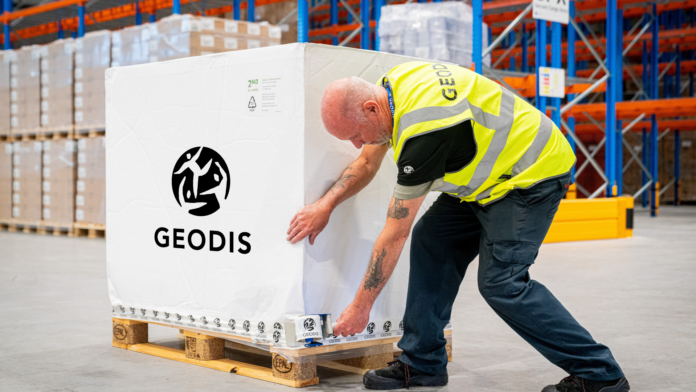
Global transport and logistics provider GEODIS has finalized a comprehensive series of international field trials utilizing sustainable, paper-based thermal covers for temperature-sensitive pharmaceutical airfreight shipments. Developed in coordination with a major global pharmaceutical manufacturer, the project introduces a recyclable alternative to the standard aluminum and plastic-foil-based blankets traditionally used to shield cold-chain cargo from ambient temperature spikes during runway handling and transit.
The operational testing phase commenced in September 2025 and concluded with 86 successful test shipments routed through major international transport hubs across India, Saudi Arabia, South Korea, Australia, and New Zealand.
Validating Thermal Performance Under Extreme Conditions
The field trials focused on two specific paper-based insulation product lines: Solaris 5 and Solaris 10. The main engineering goal was to prove that a fully recyclable, fiber-based material could provide the thermal resistance needed to keep sensitive biopharmaceuticals within their approved temperature brackets during vulnerable airport tarmac transfers.
The material configurations successfully maintained product temperature integrity within the required +2°C to +25°C range, despite encountering extreme external environmental conditions at various global transit points:
- Sub-Zero Exposure: Protecting cargo down to -15°C during winter airport operations in South Korea.
- Extreme Tropical Heat: Resisting external ambient temperatures exceeding 40°C during aircraft loading and unloading sequences on asphalt runways in India.
Throughout all 86 international air journeys, monitoring equipment recorded zero critical temperature excursions, proving the paper-based blankets can match the performance of non-recyclable synthetic alternatives.
Layering Controls Across the Cold Chain
While the paper thermal covers acted as the primary defensive layer on the tarmac, GEODIS integrated the materials into a multi-tiered temperature-controlled transport framework. This comprehensive cold-chain strategy utilized specialized logistics infrastructure at every link of the airport-to-airport journey:
- Temperature-Controlled Vehicles (TCVs): Refrigerated trucks handled all initial inland plant-to-airport pickups and final airport-to-destination deliveries.
- Airline Pharma Services and Cool Dollies: Utilizing active-refrigeration ground handling units to move cargo directly between airport cold-storage warehouses and aircraft cargo holds, minimizing open-air tarmac exposure.
- GDP-Compliant Warehousing: Staging shipments within climate-controlled airport storage zones during customs clearance and flight connection windows.
Aligning Life-Science Logistics with Scope 3 Targets
The transition toward paper-based protective packaging addresses a major waste management challenge within healthcare supply chains. Standard multi-layer foil insulation covers are difficult to recycle and typically end up in landfills or waste incinerators after a single international flight. Because the Solaris covers are constructed from high-density, treated paper fibers, destination hospitals and distribution centers can dispose of them directly through standard commercial paper recycling channels.
This material shift allows pharmaceutical brands to reduce the volume of single-use plastics and metals in their logistics loops, contributing to their Scope 3 environmental sustainability goals without introducing risks to product safety or regulatory compliance.
อัพเดตข่าวสารและบทความที่น่าสนใจในอุตสาหกรรมโลจิสติกส์ก่อนใคร ผ่าน Line Official Account @Airfreight Logistics เพียงเพิ่มเราเป็นเพื่อน @Airfreight Logistics หรือคลิกที่นี่