

Advanced Automation and Expanded Cool Chain Facilities to Transform East Coast Hub
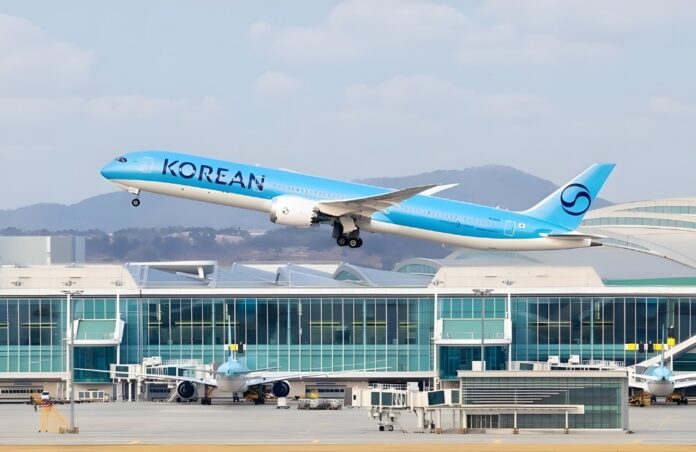
Korean Air has announced a strategic partnership with Lödige Industries to modernize its cargo terminal at John F. Kennedy International Airport (JFK). The project aims to overhaul one of the largest cargo facilities in the eastern United States, which currently spans over 17,000 square meters and handles 200,000 tons of freight annually.
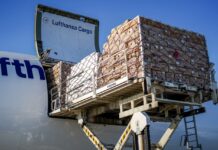
The modernization is centered on replacing aging infrastructure with state-of-the-art automated systems. Key upgrades include the installation of two fully automated Elevating Transfer Vehicles (ETVs) for high-capacity ULD handling and the deployment of Cargo Pallet Movers to replace fixed transfer vehicles. These changes are expected to significantly improve space efficiency and operational safety across the terminal floor.
Strengthening the Global Cool Chain
A major component of the upgrade focuses on Korean Air’s Cool Chain capabilities to meet the rising demand for temperature-sensitive goods. The project includes:
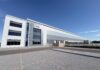
- New Refrigerated Warehouse: Construction of a dedicated facility to increase cold storage capacity.
- System Overhauls: Comprehensive renewal of temperature controllers, roller conveyors, and shutters across four existing climate-controlled zones.
- Workstation Updates: Replacement of 14 workstations with modern, ergonomic models to streamline processing.
Junho Choi, Regional Manager at Korean Air Cargo, emphasized that JFK serves as the airline’s primary gateway for the U.S. East Coast. By integrating this technology, Korean Air ensures its hub remains a reliable and sustainable node within its expanding global network.
Future-Proofing for Global Commerce
Jonathan Hardy, Managing Director North America at Lödige Industries, noted that the modernized center will help Korean Air maintain its leading market position as JFK’s role in global commerce continues to grow. The project follows Lödige’s recent successful automation implementations at other major hubs like Shanghai Pudong.
The modernization plan is designed to be implemented in phases to minimize disruption to existing operations. Once completed, the facility will offer a higher degree of flexibility and data-driven management, ensuring Korean Air can meet the most demanding service requirements for years to come.
อัพเดตข่าวสารและบทความที่น่าสนใจในอุตสาหกรรมโลจิสติกส์ก่อนใคร ผ่าน Line Official Account @Airfreight Logistics เพียงเพิ่มเราเป็นเพื่อน @Airfreight Logistics หรือคลิกที่นี่